PSYCHOLOGICAL AND SPIRITUAL COPING AFTER DIVORCE
Divorce is one of the most challenging life experiences, affecting not only an individual’s family life but also their psychological well-being, spiritual balance, and process of finding meaning in life. For this reason, psychological and spiritual support plays a vital role during the post-divorce adjustment process.
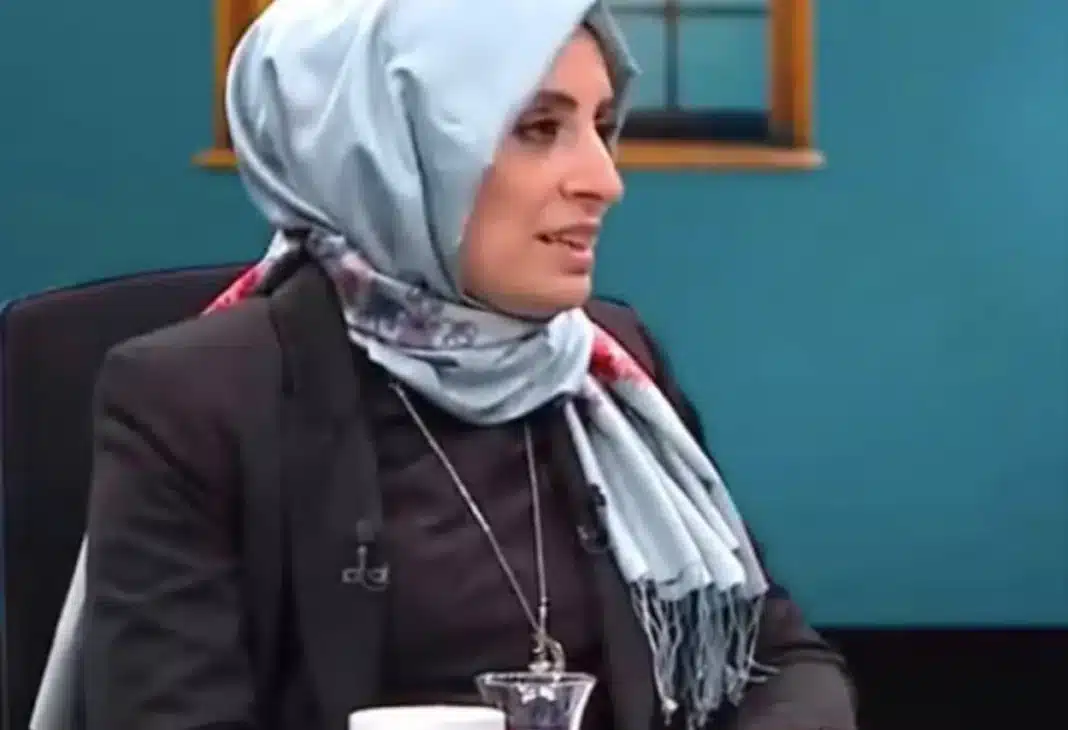
In this special interview, we discuss this important topic with Assoc. Prof. Dr. Fatma Baynal, a faculty member in the Department of Psychology of Religion at the Faculty of Islamic Sciences, Yalova University, whose academic research focuses on psychological and spiritual coping after divorce.
We invite you to join our conversation.
1. First of all, could you please introduce yourself to our readers?
Hello, I am Assoc. Prof. Dr. Fatma Baynal. I serve as a faculty member in the Department of Psychology of Religion at Yalova University, Faculty of Theology. Academically, my research focuses on the psychology of religion, spirituality, and positive psychology. In my scientific endeavours, I investigate the psychological impact of religious orders and communities on individuals, religious and spiritual coping mechanisms during the post-divorce process, spiritual counselling, and spiritual parenting. Specifically, in my book “Atheism and the Meaning of Life” and my studies on faith transitions such as “From Atheism to Theism”, I scrutinise individuals’ existential searches for meaning. Additionally, I have conducted research on the virtue of justice in marital relations and fear or anxiety during pre-adolescence. My primary objective is to investigate the healing and meaning-making power of religion, spirituality, and moral values in coping with challenging life events, using both scientific and qualitative approaches.
2. In your studies on divorce processes and religion/spirituality, which areas emerged as the most challenging for individuals?
Following a divorce, individuals encounter various psychological and social difficulties. However, our research revealed that the most prominent challenges in the post-divorce phase are economic hardships, the assumption of sole childcare responsibility, and the overwhelming loneliness individuals must confront.
3. What were the most common coping mechanisms employed by your participants?
Our findings indicate that family and friend support is the primary resource individuals utilise to navigate this traumatic process. Peer support, alongside family support, is considered one of the most fundamental coping resources for psychological recovery and combating loneliness. This highlights the critical importance of social support for psychological resilience, supporting the premise that human beings must be understood as bio-psycho-social entities. Additionally, active coping strategies such as working, caring for children, and hobbies like reading and listening to music prove highly effective. For some participants, seeking professional help from psychologists or psychiatrists was instrumental. Furthermore, religious coping mechanisms—such as praying, seeking refuge in spirituality, and trusting in divine justice—were identified as highly utilised strategies. This demonstrates that participants simultaneously employ a combination of general and religious coping styles to manage this transition.
4. How do having children and being employed influence the post-divorce coping process?
Having children has a dual effect on the post-divorce process. On one hand, the responsibilities of single parenting present one of the most significant challenges after divorce, yet on the other hand, the presence of children serves as a powerful motivation and coping resource that binds individuals to life. Additionally, active employment functions as a vital coping strategy, helping individuals navigate severe trauma, remain mentally occupied, and regain a sense of productivity. Interestingly, some individuals choose to avoid antidepressant medications to sustain their career performance and spend quality time with their children, which indicates that preserving social and economic functionality holds a higher priority for individuals during this period.
5. How do you interpret the impact of activities like reading and listening to music on the coping process?
Reading and listening to music serve as emotion-focused coping strategies that allow participants to temporarily distance themselves from their immediate difficulties, helping them manage the loneliness and stress of the post-divorce period. Consequently, adopting a hobby or engaging in sports and arts during challenging times is highly effective in maintaining the natural flow of life. Such hobbies facilitate a return to daily routines and enhance the capacity for mindfulness and “being in the moment.”
6. How do you evaluate the finding that prayer is the most frequently utilised religious coping mechanism in your study?
The majority of participants stated that prayer was their most frequent spiritual practice. Praying helps individuals feel that they are not alone by seeking refuge in God during moments of helplessness, thereby fostering hope for the future. Even when separating from a spouse with whom they shared years of life, individuals gain ontological security by feeling the presence of an absolute power that will never abandon them, is always listening, and offers comfort. Despite the suffering, turning to the Creator and surrendering the situation through prayer enables individuals to accept their difficult circumstances and significantly bolsters their psychological resilience.
7. What are the effects of the inability to forgive the former spouse on an individual’s mental health?
The primary factors making forgiveness difficult include infidelity, physical and psychological abuse, the neglect of marital responsibilities, and the profound sense of injustice left in the wake of these experiences. Participants face immense difficulty in forgiving their former spouses due to the deep wounds caused by these severe behaviours. Inability to forgive sustains negative emotions such as anger, resentment, and hatred. If an individual cannot overcome this adverse separation process, existential and psychological issues—such as anxiety, fear, excessive stress, depression, and a perceived lack of meaning—can become chronic, leading to permanent negative impacts on mental health. However, to prevent these issues from completely deteriorating their mental well-being, participants find solace in the belief in divine justice. Believing that the injustices inflicted by their spouses will be judged by God alleviates the psychological burden of unforgiveness.
8. How do you interpret the prominence of the belief in the afterlife as a source of hope and consolation?
Belief in the afterlife and the expectation of divine justice emerge as the greatest sources of consolation for participants. Believing that the injustices, infidelity, and abuse they suffered in this world will not go unpunished, and that their former spouses will be held accountable by God in the hereafter, provides solace by offering hope that justice will ultimately prevail. Belief in fate and the afterlife facilitates a more positive adaptation to psychological issues like loneliness, feelings of loss, and disappointment resulting from separation. Believing in an existence beyond this life, where both good and bad deeds are rewarded or punished, remains highly effective in finding meaning and moving forward.
9. What do you think are the primary reasons for the regrets experienced post-divorce?
The most fundamental reason is rushing into marriage without sufficiently knowing the spouse and their family. For female participants, a major source of regret is remaining silent in the face of their spouses’ irresponsibilities and assuming all domestic and financial burdens from the very beginning. For male participants, the primary regret lies in failing to take a timely stand against disrespectful behaviours. When these behaviours surpass the threshold of tolerance, divorce becomes inevitable.
10. Finally, based on your research, what is the most important psychological and spiritual message you would like to convey to individuals going through a divorce?
Divorced individuals emphasise that, instead of building marriages on superficial criteria such as physical appearance, wealth, or outward religiosity, it is vital to thoroughly get to know the prospective partner and their family before marriage. Partners fulfilling their mutual responsibilities, showing appreciation, and remaining loyal and respectful are also among the primary expectations.
Today, there is a cultural romanticisation of loneliness, alongside messages encouraging people to keep entirely to themselves. However, as this research demonstrates, having a supportive social circle during difficult times possesses immense psychological healing power, which is why it is crucial not to sever ties with our social environment.
Post-divorce, it is equally essential for individuals to maintain a moderate and respectful attitude toward one another, particularly for the psychological well-being of the children, who are often the most vulnerable in this process. Consequently, while both psychosocial support and spiritual support play vital roles, we must emphasise that parental responsibilities continue even after divorce—especially when children are involved.